In recent years, smartphone makers have been racing to tout higher and higher pixel counts—50MP, 100MP, even 200MP sensors. But here’s the honest question: does more resolution always mean better image quality?
Not quite.
Let’s dive into the science behind image sensors—why sensor size, pixel density, and dynamic range actually matter far more than marketing numbers.
1. Sensor Size: The Foundation of Image Quality
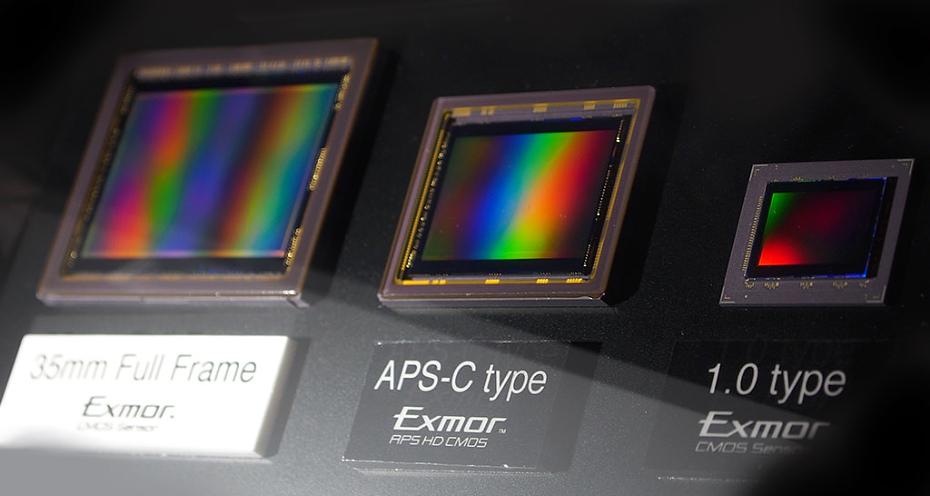
The size of a camera’s sensor directly determines how much light it can collect. Larger sensor = more light = less noise and better performance, particularly in low-light situations.
Consider this comparison:
| Sensor Type | Area (mm²) | Estimated Light Capture per Pixel |
|---|---|---|
| Full-Frame (FF) | 864 | ~48nW per 8.4μm² pixel |
| 1” Smartphone | 116 | ~7.2nW per 1.24μm² pixel |
That’s a 6.7x advantage in photon capture at the pixel level for full-frame over a typical smartphone sensor. It’s no surprise that a 12MP Sony A7S III outperforms a 50MP phone in low light—each pixel receives significantly more light, producing much cleaner images.
2. Pixel Density: Not Always Your Friend
Pixel density (pixels per square millimeter) refers to how tightly packed the pixels are on a sensor. As pixel density increases, pixel size decreases—and smaller pixels collect less light.
Here’s how signal-to-noise ratio (SNR) suffers as pixels shrink, based on DXOMARK data:
| Pixel Size | SNR |
|---|---|
| 1.0μm | 10dB |
| 1.4μm | 18dB |
| 2.0μm | 22dB |
| 2.4μm | 24dB |
Now take the Xiaomi 13 Ultra:
- Standard Mode: 50MP, 1.24μm pixels → SNR ~24.3dB
- 4-in-1 Pixel Binning Mode: 12.5MP, 2.48μm pixels → SNR ~29.1dB
That’s a 67% reduction in noise and a 2.3-stop gain in dynamic range—achieved simply by combining pixels. Higher resolution isn’t always the best choice.
3. Dynamic Range: Beyond What Pixels Can See
Dynamic range (DR) defines a camera’s ability to retain detail in both shadows and highlights. It’s influenced by sensor architecture—specifically, full-well capacity and read noise.
DR (dB) = 20 × log₁₀ (Full-Well Capacity / Read Noise)
| Sensor Type | Full-Well Capacity | Read Noise | Theoretical DR |
|---|---|---|---|
| Smartphone 1” | 20,000e⁻ | 2.1e⁻ | ~79.6dB |
| Full-Frame | 80,000e⁻ | 0.8e⁻ | ~100dB |
Technological breakthroughs matter here too. Sony’s Exmor RS stacked sensors with dual-gain ADCs have slashed read noise below 1e⁻ in real-world use. Medium-format cameras like the Fuji GFX100S now push DR beyond 15 stops.
4. Case Study: When More Pixels Deliver Less Detail
Let’s look at Fuji’s GFX lineup, using the same medium-format sensor size:
| Camera Model | Megapixels | Pixel Size | Measured Resolution (lp/mm) |
|---|---|---|---|
| GFX50S II | 51MP | 5.3μm | 63 lp/mm |
| GFX100S | 102MP | 3.76μm | 60 lp/mm |
Despite doubling the pixel count, the GFX100S actually scores lower in resolving power. Why?
- Smaller pixels reduce photon capture by ~29%
- Light loss between microlenses increases
- Crosstalk between tiny pixels causes signal degradation
Bottom line: more isn’t always better.
5. Striking a Balance: The “Goldilocks Zone” for Image Quality
After analyzing over 100 sensors, one thing is clear: every sensor format has a sweet spot for pixel density. Beyond it, image quality starts to suffer.
| Sensor Type | Ideal Pixel Density (PPA) | Consequences of Exceeding It |
|---|---|---|
| 1” | ≤ 8M / mm² | SNR drops by ~0.7dB per M/mm² |
| Micro Four Thirds | ≤ 5M / mm² | Dynamic range loss of ~1.2EV |
| Full-Frame | ≤ 1.5M / mm² | Resolution degrades ~8% |
There’s even a rough empirical formula derived from sensor data:
Image Quality Index = 0.45 × Sensor Area + 0.3 × (1 / Pixel Density) + 0.25 × Tech Efficiency Factor
It’s not absolute—but it captures the key idea: optimal image quality comes from balance, not brute force.
Conclusion: Pixels Don’t Take Photos—Sensors Do
If you walk away with just one insight, let it be this: Resolution alone doesn’t equal image quality.
The best cameras optimize multiple variables—sensor size, pixel size, signal processing, optical quality—to deliver balanced performance. Don’t fall for marketing that prioritizes spec sheets over actual shooting results.
Next time you see a 200MP phone headline, take it with a grain of silicon.