Sony's New Eye-Gaze AF Patent: A Game-Changer for Mirrorless Shooters?
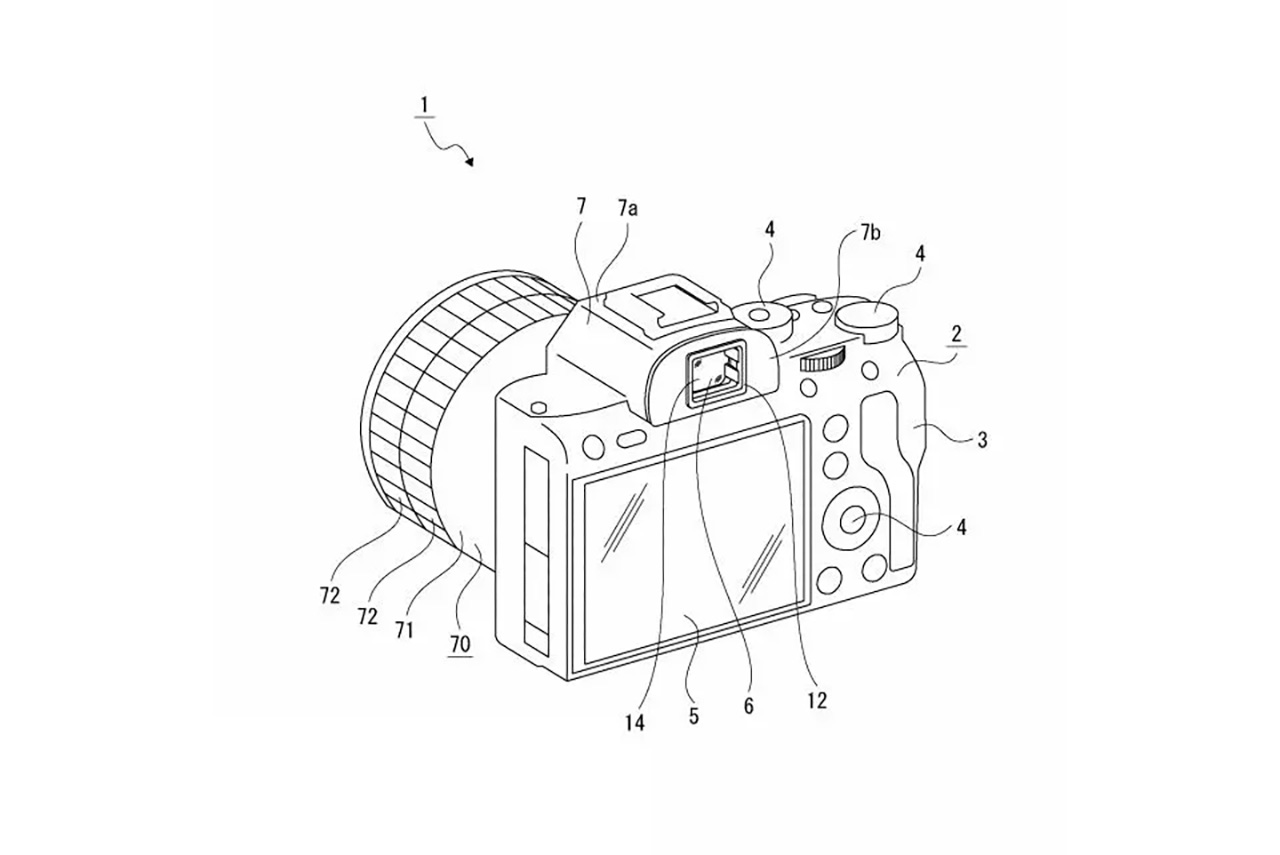
Hey folks, if you’ve been keeping tabs on the camera world, you know Sony’s been pushing the envelope with autofocus tech for years. From real-time eye detection that’s practically psychic to AI-driven subject tracking, they’ve made focusing feel effortless. But a freshly published patent from Sony has the rumor mill buzzing, and for good reason—it hints at eye-controlled autofocus right through the viewfinder. Think Canon’s Eye Control AF, but with a Sony twist aimed at keeping things sleek and precise. Let’s break this down without getting too buried in the jargon, whether you’re a weekend hobbyist snapping family portraits or a pro chasing split-second sports shots.
The Basics of the Patent
| Patent Details | Information |
|---|---|
| Registration date | 2025-10-06 |
| Issue date | 2025-10-15 |
| Title of invention | Viewfinder and imaging device |
| Application number | P 2023506776 |
| Application date | 2022-01-11 |
| Patent holder | Sony Group Corporation (ID: 000002185) |
First off: This patent was filed back in early 2022 but only went public on October 15, 2025. It’s all about letting photographers select their autofocus point just by looking at it through the electronic viewfinder (EVF). No more fiddling with joysticks or touchscreens mid-action—your gaze does the work.
Sounds futuristic? Well, it’s not entirely new; Canon rolled out something similar in their EOS R3 and R1 mirrorless bodies, where your eye movement picks the focus area. But Sony’s approach seems laser-focused on solving some real-world headaches that have plagued these systems.
How It Works: A Closer Look
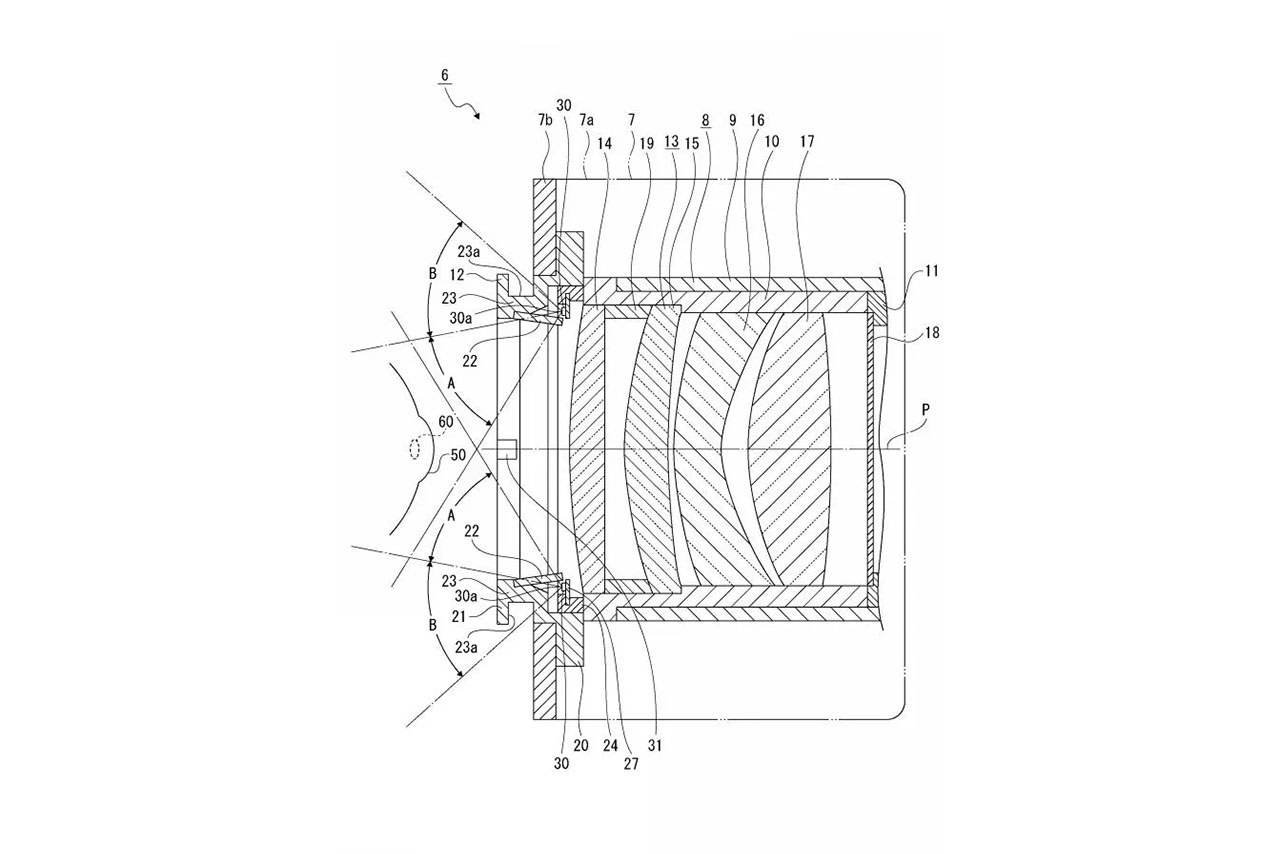
Here’s how it works in layman’s terms. The setup uses a light-emitting unit—probably infrared—to beam a detection light onto your cornea (the front part of your eye). A receiver then catches the reflection and crunches the data to figure out exactly where your pupil is pointing.
The clever bit? Sony’s design narrows that light beam to just the area around your pupil, rather than blasting the whole eye. This cuts down on interference from eyelids or individual eye shapes that could throw off accuracy in older systems. Plus, by keeping components compact, it avoids bulking up your camera.
Imagine hiking with a Sony A1 successor that doesn’t feel like a brick because of clunky eye-tracking gear.
Comparing to the Competition
Canon’s version has been a hit among wildlife and sports photographers for nailing focus on fast-moving subjects. But users note occasional calibration quirks (especially with glasses or varying light).
Sony’s patent emphasizes pupil-focused detection reliability, which could make it more consistent across users. This feels like Sony playing catch-up while leapfrogging—they’ve mastered screen-based eye AF, so EVF integration could supercharge flagships like the A9 IV or A1 III.
In the Nikon/Canon/Sony mirrorless wars, this could help Sony reclaim high-end ground.
Potential Impact and Caveats
Patents don’t always become products, but Sony’s AF track record (remember revolutionary real-time tracking?) says this has legs. It could democratize pro focusing for enthusiasts, turning complex shoots into pure intuition.
If it handles sweat, low light, or quick head movements as promised, it might redefine camera interaction.