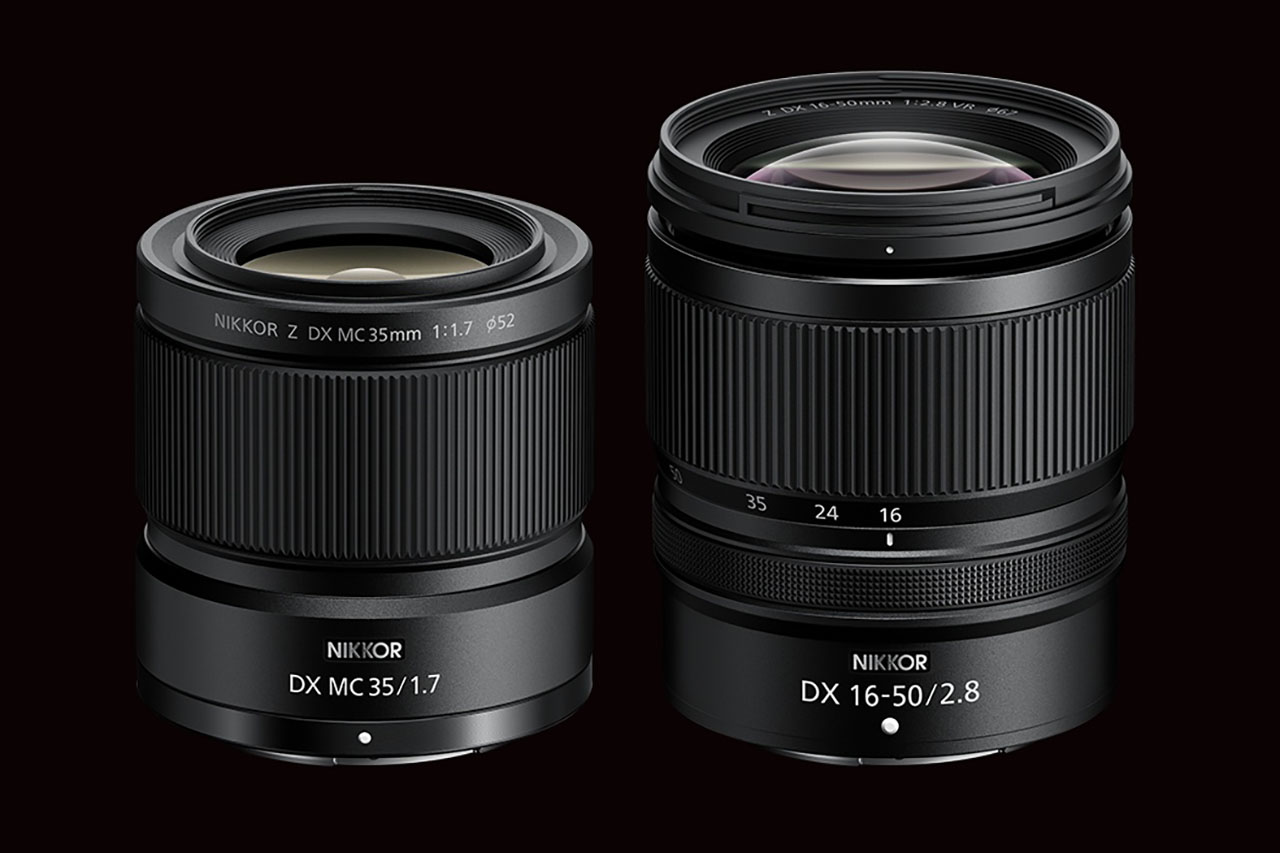
Nikon has officially expanded its Z-mount DX lineup with two new lenses: the NIKKOR Z DX 16-50mm F2.8 VR and the NIKKOR Z DX MC 35mm F1.7. These compact optics arrive amid growing calls for more native glass on APS-C bodies like the Z50 and Z fc, where full-frame options often feel mismatched.
With Sigma and Tamron largely ignoring DX zooms, Nikon’s bold push here could lure back enthusiasts who’ve eyed Fujifilm’s vibrant APS-C ecosystem, offering hybrid creators sharp tools for everyday shooting without the bulk.
16-50mm F2.8 VR: Constant Aperture, Serious Upgrade
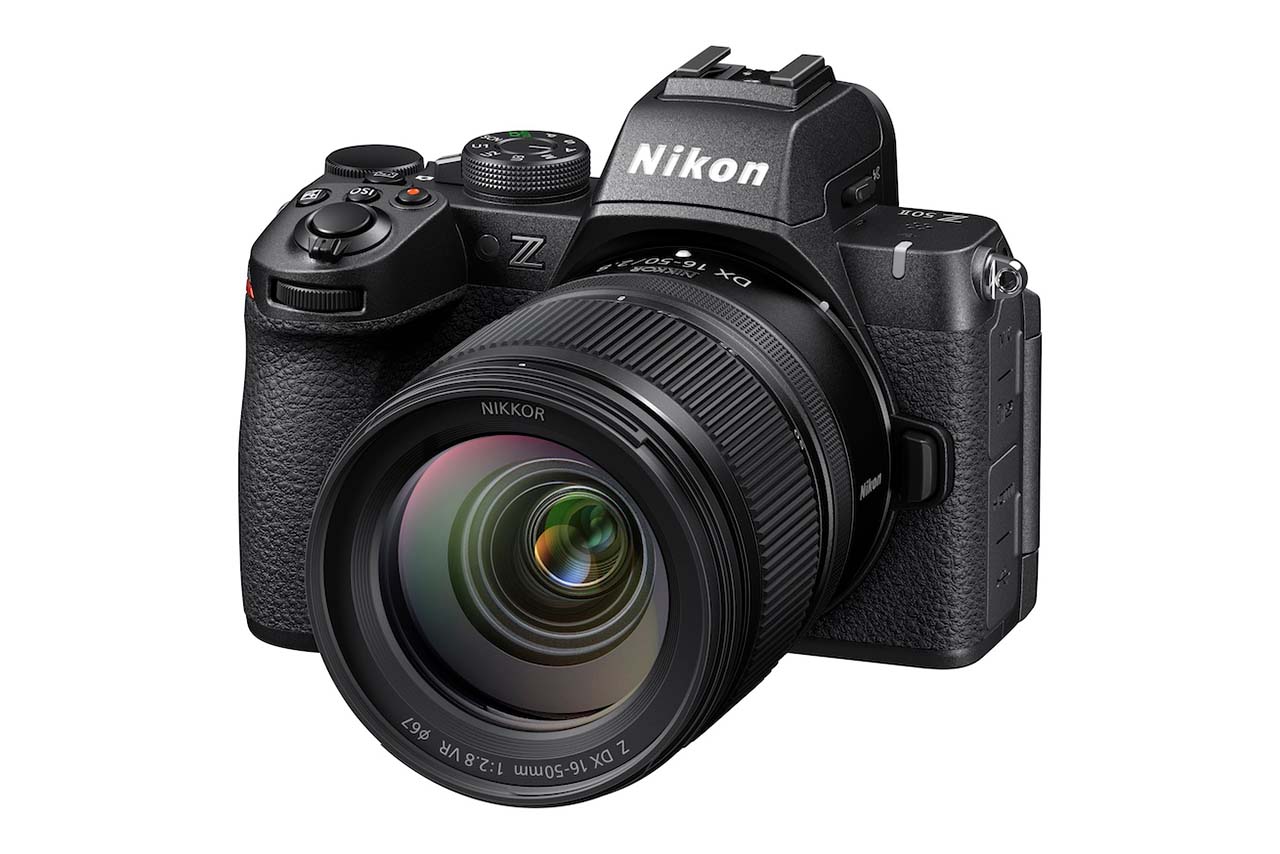
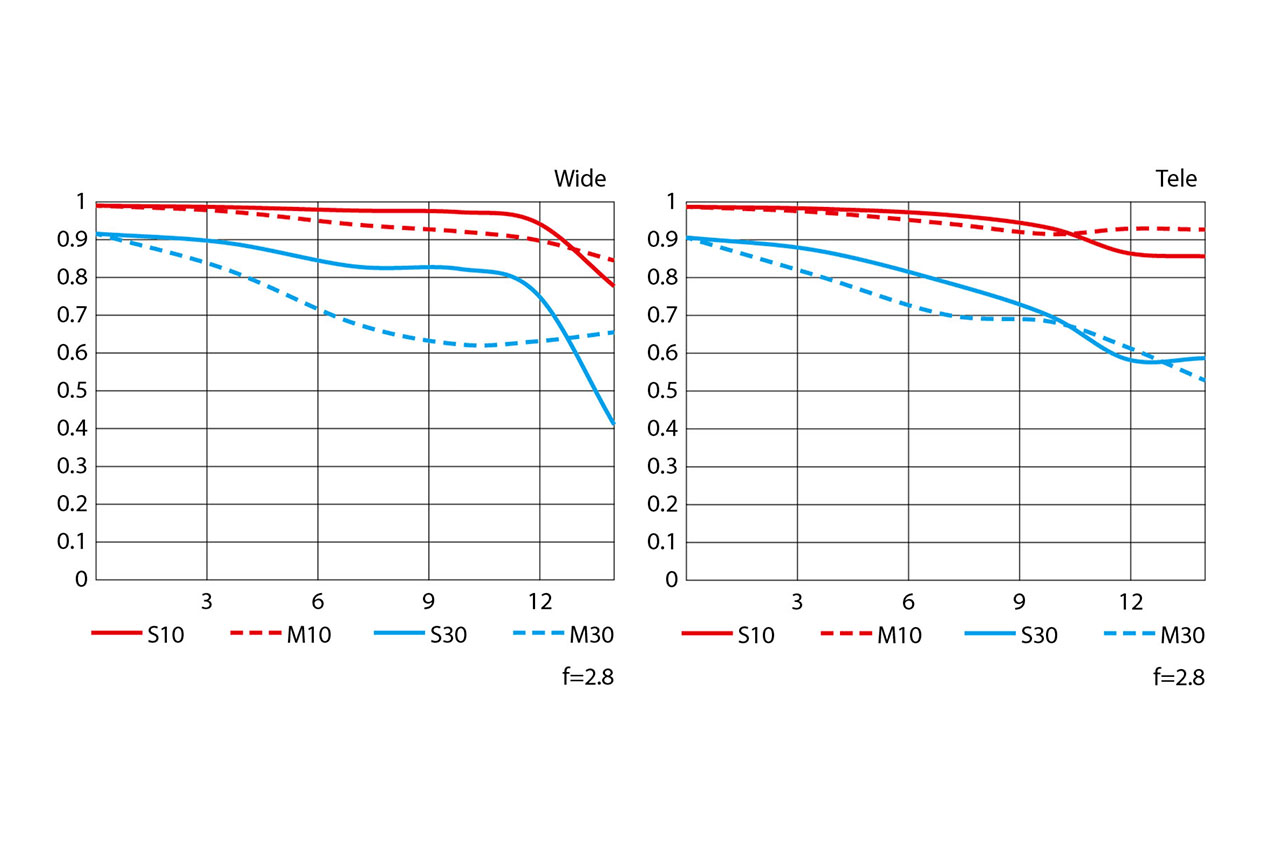
This standard zoom steps up from the kit 16-50mm f/3.5-6.3 by delivering a constant F2.8 aperture across its 24-75mm equivalent range. That brighter opening promises better low-light performance and shallower depth of field, making it a versatile pick for travel vloggers or event photographers who need to adapt quickly.
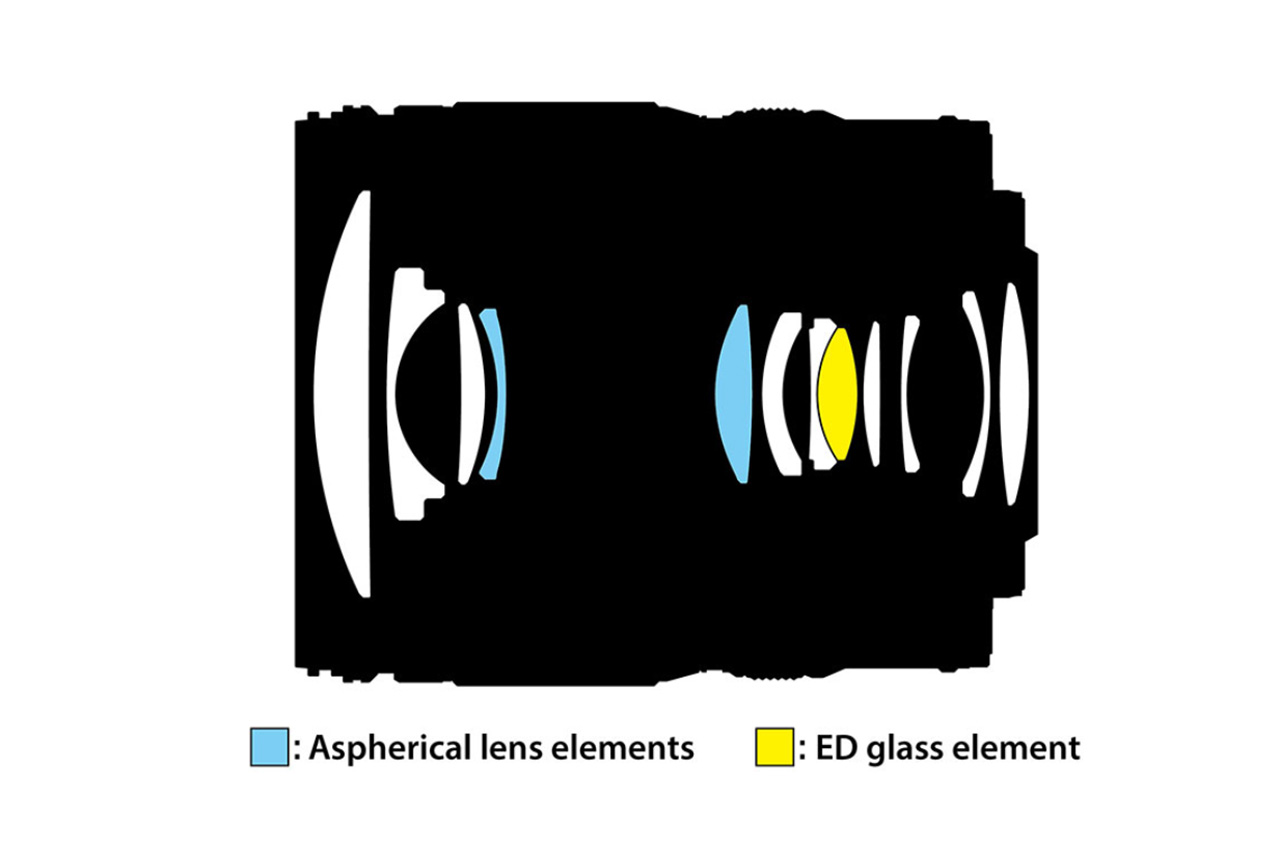
- Optical design: 12 elements in 11 groups (1 ED, 2 aspherical)
- Build: Weather-sealed barrel, 330g weight
- Stabilization: Up to 5 stops of VR, syncs with IBIS
- Autofocus: STM motor, supports eye detection
- Video perks: Minimal breathing, 67mm filter thread for ND swaps
Positioned above entry-level zooms, this lens offers pro-style handling without venturing into pro-grade pricing.
35mm F1.7 MC: Fast Prime with Macro Reach
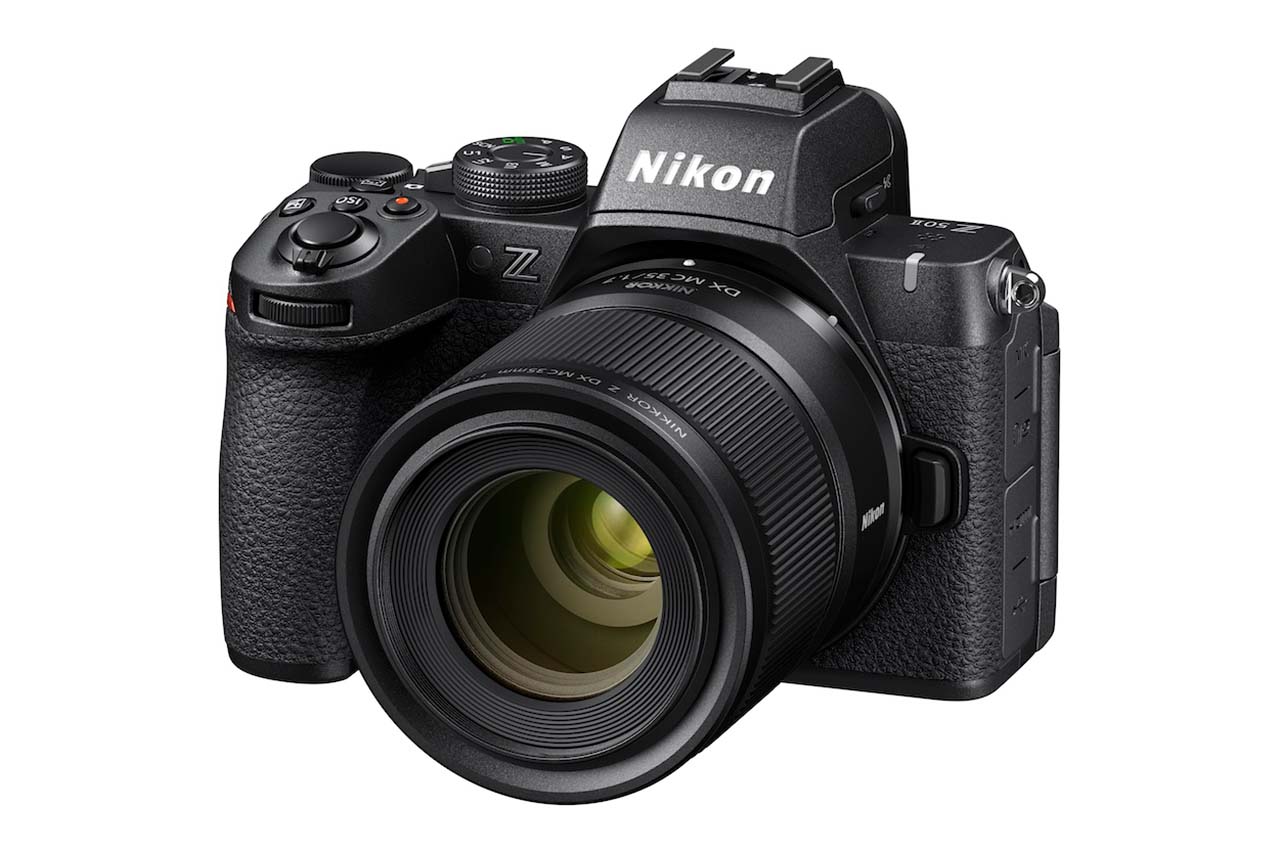
The NIKKOR Z DX MC 35mm F1.7 brings a fast aperture to the table in a featherweight 220g package, equivalent to a classic 52.5mm nifty fifty on full-frame.
Its F1.7 max opening excels in dim environments, rendering creamy bokeh via a nine-blade diaphragm, while the macro “MC” designation hints at close-up prowess:
- Close focus: 0.16m (0.67x)
- Optical design: 8 elements in 7 groups (2 aspherical)
- Build: All-metal, dust and moisture-resistant
- Autofocus: STM motor, knurled manual ring
Though not a true 1:1 macro, its reproduction ratio edges closer than most standard primes, adding flexibility for creators blending stills and motion.
Nikon’s DX Strategy: Rebuilding Momentum
Together, these releases signal Nikon’s renewed focus on DX as a creative powerhouse, potentially sparking more hybrid appeal in a segment that’s felt underserved.
Early impressions suggest both lenses deliver on sharpness and build, though the zoom’s constant aperture might steal the show for those upgrading from kits.
Key Specifications
NIKKOR Z DX 16-50mm F2.8 VR
| Feature | Details |
|---|---|
| Lens Mount | Nikon Z-mount |
| Format | DX (APS-C) |
| Focal Length | 16-50mm (24-75mm full-frame equivalent) |
| Maximum Aperture | f/2.8 |
| Minimum Aperture | f/22 |
| Diaphragm Blades | 9 |
| Optical Construction | 12 elements in 11 groups (1 ED, 2 aspherical) |
| Autofocus Type | Stepping motor (STM) |
| Image Stabilization | VR (5 stops CIPA) |
| Minimum Focus Distance | 0.15m@16mm, 0.18m@24mm, 0.21m@35mm, 0.25m@50mm |
| Maximum Magnification | 0.24x |
| Filter Thread | 67mm |
| Dimensions | 74.5mm x 88mm |
| Weight | 330g |
| Weather Sealing | Dust and moisture-resistant |
NIKKOR Z DX MC 35mm F1.7 Macro
| Feature | Details |
|---|---|
| Lens Mount | Nikon Z-mount |
| Format | DX (APS-C) |
| Focal Length | 35mm (52.5mm full-frame equivalent) |
| Maximum Aperture | f/1.7 |
| Minimum Aperture | f/22 |
| Diaphragm Blades | 9 |
| Optical Construction | 8 elements in 7 groups (2 aspherical) |
| Autofocus Type | Stepping motor (STM) |
| Minimum Focus Distance | 0.16m |
| Maximum Magnification | 0.67x |
| Filter Thread | 52mm |
| Dimensions | 70mm x 72mm |
| Weight | 220g |
| Weather Sealing | Dust and moisture-resistant |
Pricing and Availability
The NIKKOR Z DX 16-50mm F2.8 VR retails for $899.95, while the NIKKOR Z DX MC 35mm F1.7 comes in at $449.95. Both are available for pre-order now, with shipping expected in late November 2025.